Manufacturing
Custom Cabinets & Manufacturing
Explore cabinet and enclosure designs, with sheet metal and conductor processing requirements, assembly and inspection.
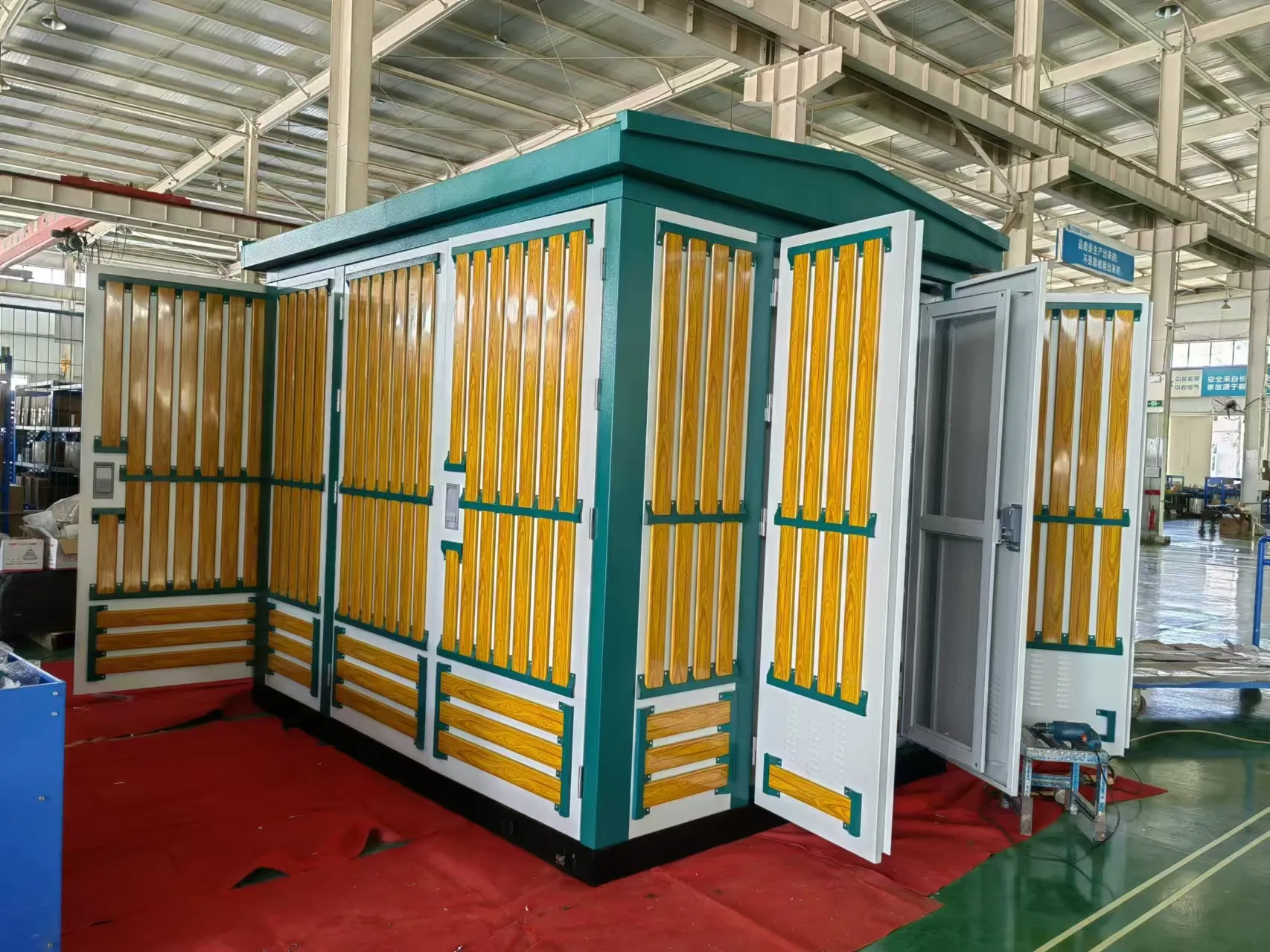
Custom cabinets and equipment enclosures
Cabinets, substation enclosures and equipment room enclosures are designed around equipment dimensions, internal arrangements and site installation conditions. Doors, ventilation openings, maintenance access and mounting interfaces are considered alongside the equipment layout.
The group cabinet manufacturer and Henan Zhongkong Electric Co., Ltd. are affiliated companies within Zhongkong Group. The cabinet company offers custom cabinets and equipment enclosures, with structures and exteriors discussed for the project.
List installed electrical equipment and storage equipment separately in the project equipment schedule.
Enclosure and cabinet types
The following enclosure and cabinet design types can be discussed around the equipment layout, site setting and exterior requirements.
- Composite panel substation enclosures
- A combined enclosure arrangement, with the structure and door positions considered around high voltage, transformer and low voltage compartments.
- Decorative substation enclosures
- Decorative door panels and exterior designs selected in relation to surrounding buildings and the site setting.
- Metal substation enclosures
- Metal enclosures with colour and exterior options, with doors and openings arranged around the equipment layout.
- Timber clad substation enclosures
- Timber decoration added to the enclosure exterior, considered alongside equipment installation and maintenance requirements.
- Equipment room enclosures with Hui style exteriors
- Equipment room designs with Hui style architectural features, with internal space arranged around the equipment.
- Custom cabinets and sheet metal components
- Made to customer drawings or designed around equipment dimensions and structural requirements, including enclosures, frames and cabinets.
Sheet metal and conductor processing
Sheet metal processing
Sheet metal dimensions, openings, bends and welds need to coordinate with the cabinet structure. Cutting, punching, CNC bending and welding requirements can be discussed against drawings, with specific processes and equipment arrangements defined in the project proposal.
Conductor processing
Copper busbars and other conductor components need processing requirements coordinated with the electrical layout and connection positions. Identify the cabinet structure, conductor dimensions, arrangement and connections when discussing power distribution equipment.
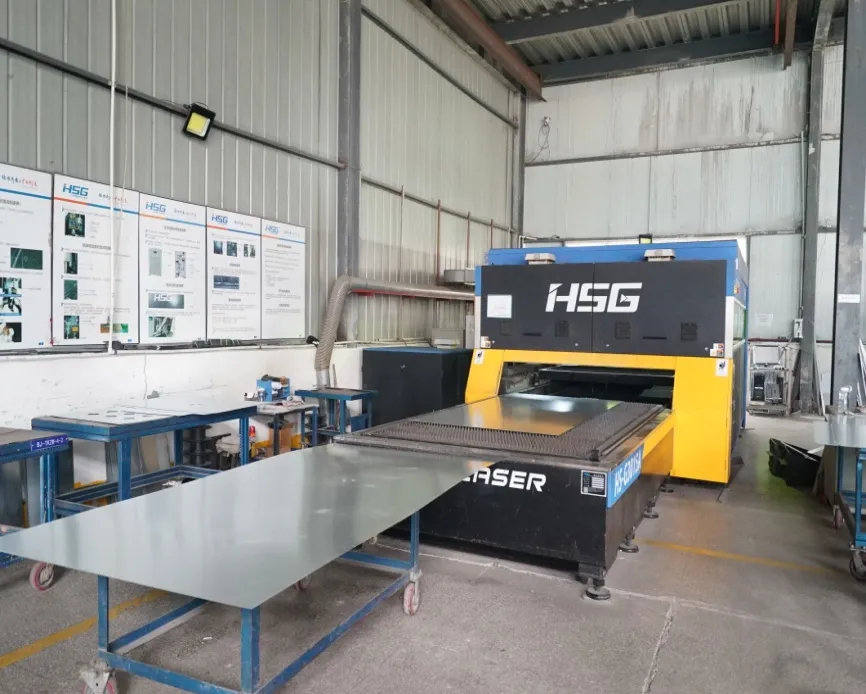
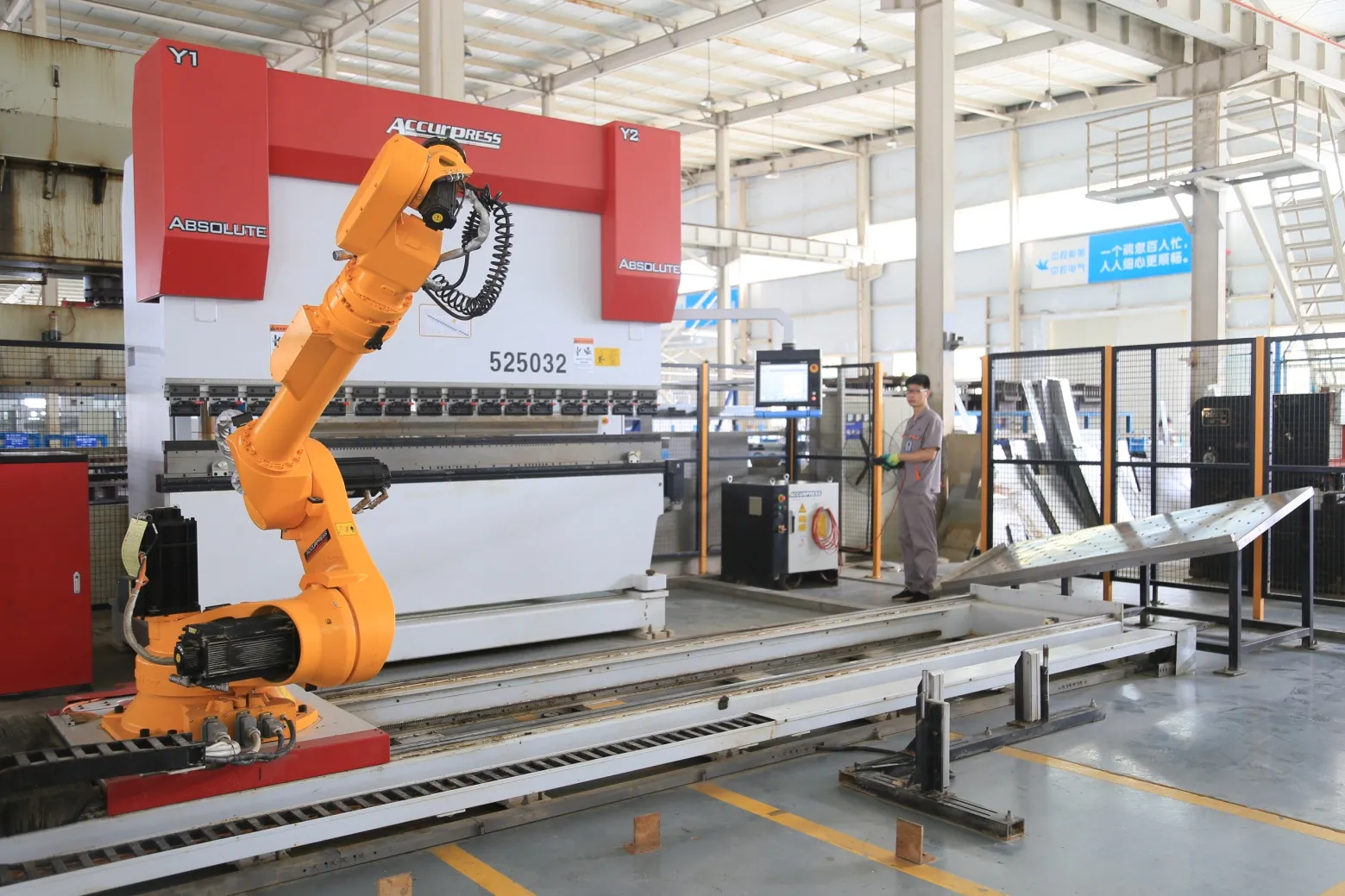
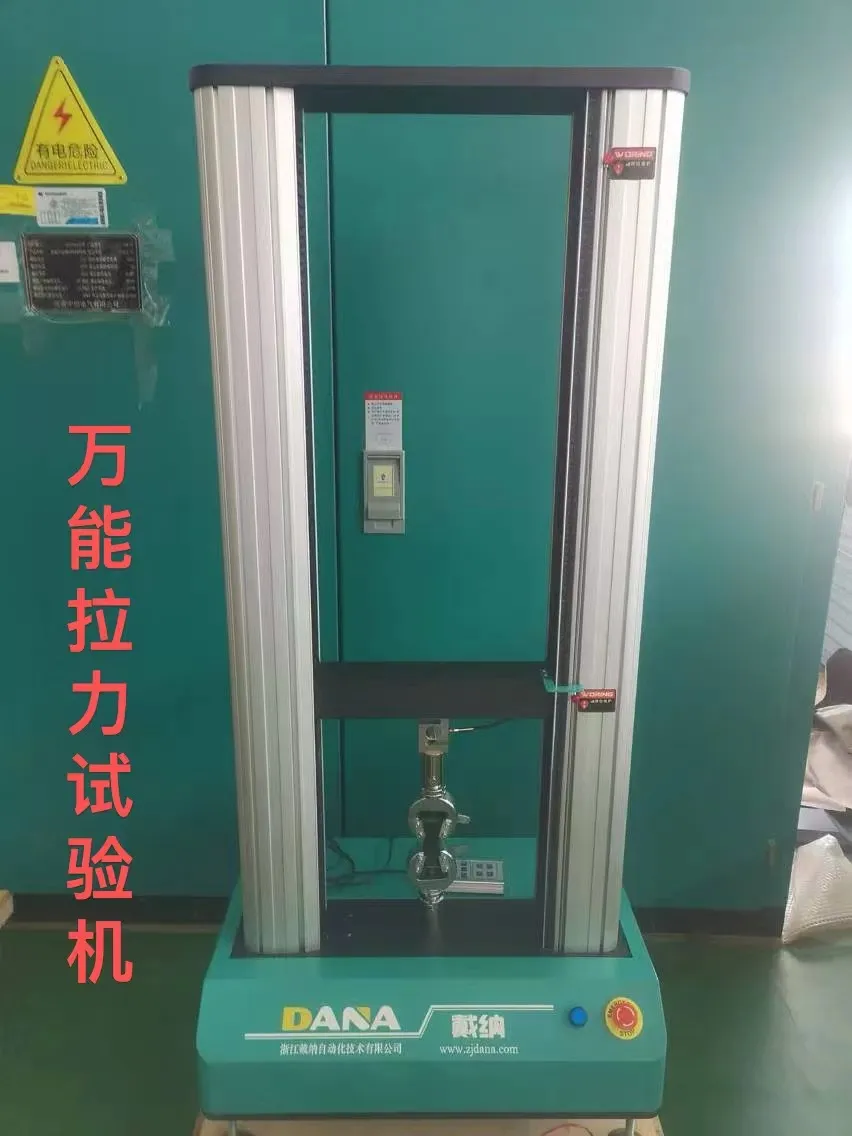
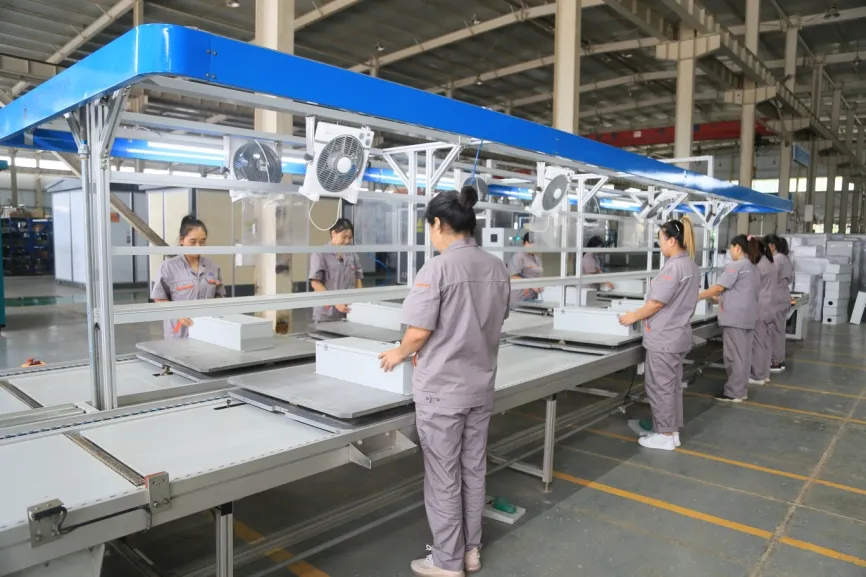
Production, assembly and inspection equipment
Production and assembly follow cabinet structures, component arrangements and equipment connections.
Assembly discussions can include the equipment arrangement, mounting positions and connection requirements alongside cabinet processing requirements.
Inspection and measurement
Tensile testing, power measurement and electrical safety analysis are distinct inspection and measurement categories. Specific tests, applicable standards and record requirements depend on the product and project.
Equipment Showcase
Explore switchgear, enclosures and manufacturing equipment.
The video could not be played. Read the presentation contents below or try again later.
Presentation Contents
- 00:00Switchgear workshop
- 00:05Equipment enclosure
- 00:10Production and assembly
- 00:15Laser cutting equipment
- 00:20Bending equipment
- 00:25Inspection instruments
Project Discussion & Delivery
For custom equipment and system projects, discuss configurations, documents and responsibilities from the initial requirements through delivery. Arrangements follow the purchasing scope.
Choose a stage to explore the discussion and document requirements.
- Viewing stage 01 / 06
Requirements & Purchasing Scope
Describe the application, equipment, quantities or capacity, installation location and planned timing. Distinguish enclosure manufacture, equipment supply and complete system integration.
Documents & Agreement
Prepare a requirements list identifying available information and conditions still being defined, for subsequent drawing and configuration discussions.
- Viewing stage 02 / 06
Drawings & Equipment Configuration
Review equipment, materials, dimensions, mounting and connection interfaces against the electrical design and physical layout. Identify drawing revisions.
Documents & Agreement
Confirm the drawing revision, equipment configuration and included supply items. Identify required technical documents and applicable standards.
- Viewing stage 03 / 06
Manufacturing & Assembly Arrangements
Identify required processing, component assembly and electrical assembly work against the agreed drawings and equipment list.
Documents & Agreement
Specify who supplies components, the processing and assembly work, connection requirements and responsibilities. Do not assume all parts come from one supplier.
- Viewing stage 04 / 06
Inspections & Equipment Documents
Inspection requirements correspond to the actual equipment. Define structural, assembly and electrical inspections separately, with records or reports agreed for the project.
Documents & Agreement
Confirm inspections, applicable standards and required records. Identify drawings, specifications and instructions supplied with the equipment.
- Viewing stage 05 / 06
Packing & Equipment Delivery
Check equipment, accessories, quantities and identification. Discuss packing, transport and site access; dimensions, weights and handling constraints follow the actual equipment.
Documents & Agreement
Agree the delivery list, location and planned timing, and identify transport, unloading and lifting responsibilities.
- Viewing stage 06 / 06
Site Work & Subsequent Support
Where installation, commissioning or subsequent support is needed, discuss the work, location, interfaces and each party’s responsibilities separately.
Documents & Agreement
Site services, warranty and aftersales terms are agreed for the project. Equipment supply does not automatically include all site work.
Define Equipment & Delivery Requirements
Start with the application, equipment needs, available drawings and planned timing, then discuss the product or system scope.
Requirements for a custom enclosure
Share the equipment layout, enclosure dimensions and installation conditions to discuss the structure and processing requirements. Drawings can be provided through your agreed project channel.
- Structure and dimensions
- External dimensions, equipment layout, maintenance access and mounting positions.
- Materials and protection
- Operating environment, material, thickness, finish, ventilation and protection requirements.
- Interfaces and assembly
- Equipment connections, interface openings and the components requiring processing or assembly.
- Installation and transport
- Site installation conditions, transport constraints and the required delivery scope for cabinets, frames and installed equipment.
Processing & inspection
Drawings should specify materials, thickness, dimensions, protection requirements and processing scope.
Test requirements, applicable standards and equipment reports correspond to the products supplied.