Before changing language

Switching clears the entries on this page. To keep your brief, continue editing and copy it first.

Power Distribution Equipment

Switchgear, prefabricated substations and high voltage cabins, with equipment configuration, structural layout and site interfaces defined for the project electrical design.

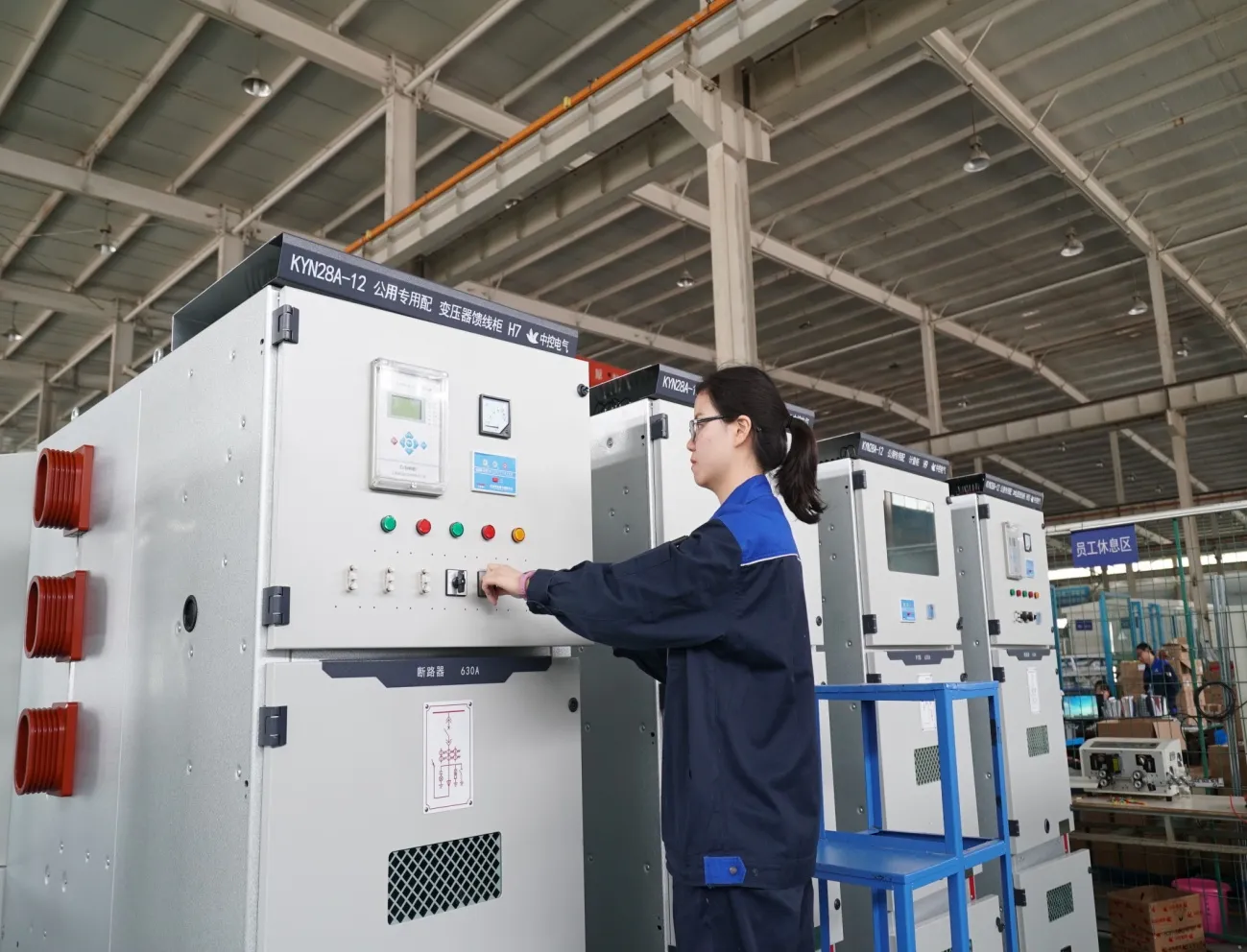
Switchgear equipment and personnel in a production workshop
Switchgear production workshop.

Equipment & Project Configuration

Distribution equipment selection combines electrical design, installation space and purchasing scope. Define enclosures, installed equipment, supporting facilities and site services separately in the proposal and equipment list.

Distribution Products

Switchgear & Distribution Cabinets

Switchgear and distribution cabinets follow the project single-line diagram. Cabinet type, protection, metering and circuit requirements define the configuration.

Discuss Distribution
Equipment and circuits
Identify required incoming, outgoing, bus coupling or sectioning, protection and metering circuits. Define components and quantities in the electrical design.
Electrical requirements
Specify required voltage, current, frequency, short-circuit withstand and applicable standards. Check these against the selected cabinet and equipment specifications.
Structure and interfaces
Define cabinet arrangements, cable entry, inter-cabinet connections, fixing points and wiring and maintenance clearance.
Prefabricated Substations

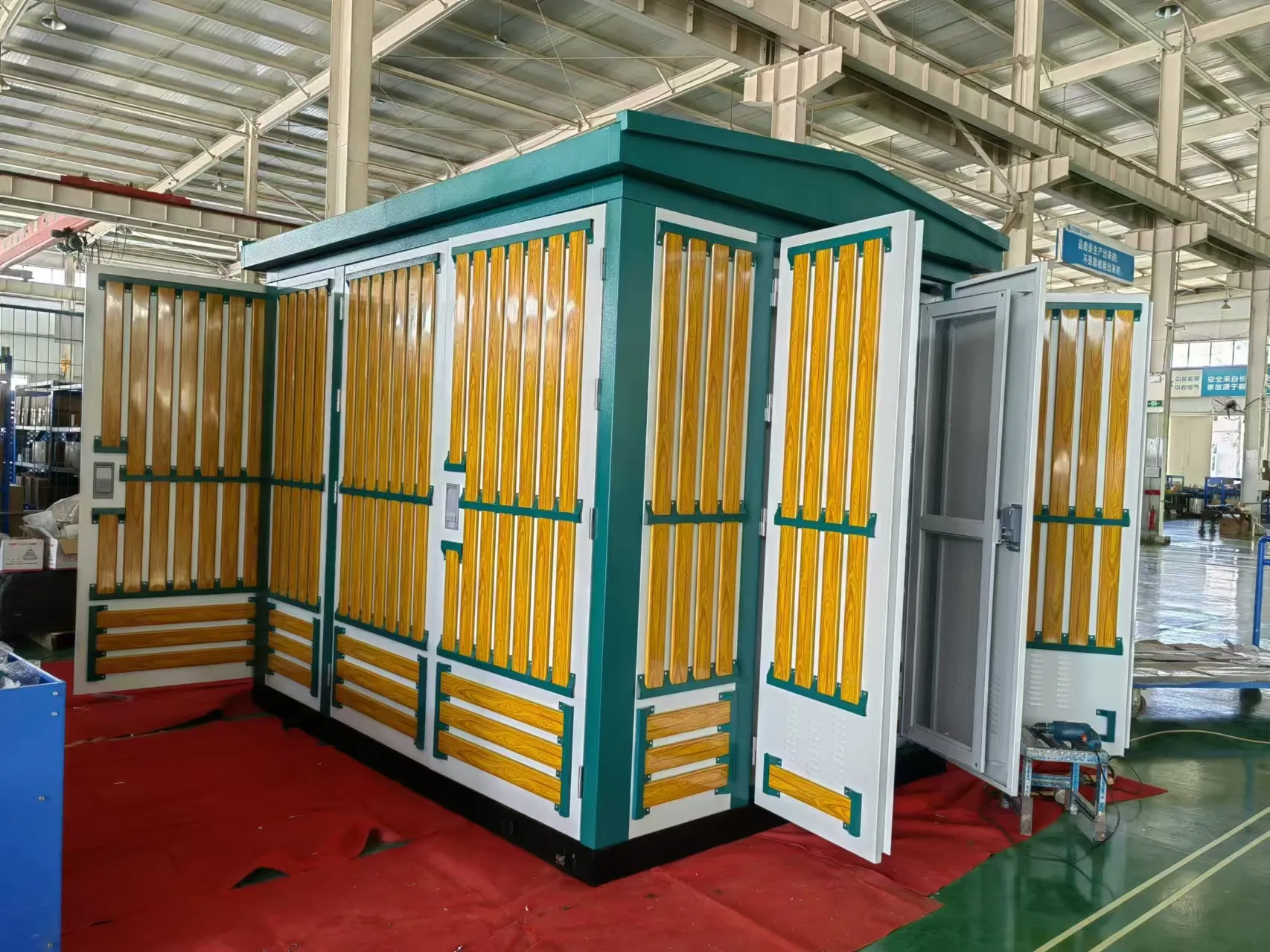
Coordinate high voltage, transformer and low voltage compartments. Review enclosure structure, equipment installation and connection space together.

Discuss Distribution
Compartment equipment
Identify high voltage equipment, transformer, low voltage equipment and required controls and auxiliaries. List included items for each part.
Physical arrangement
Define compartment positions from available space, doors and maintenance routes. Coordinate ventilation openings with the actual equipment layout.
Site connections
Check cable entries, earthing, foundations and fixing requirements. Agree transport, lifting and installation responsibilities separately.
Substation Components
  1. High voltage equipment
  2. Transformer
  3. Low voltage equipment

High Voltage Prefabricated Cabins

Define cabin structure around the project equipment layout. Specify electrical equipment, interfaces and auxiliaries separately for manufacture and site coordination.

Discuss Distribution
Equipment inside the cabin
Confirm equipment and arrangement from the actual list. A cabin does not automatically include a transformer or complete station equipment.
Cabin structure
Define mounting space, fixing points, doors, maintenance access, interface openings and transport constraints.
Supporting facilities
List required ventilation, thermal management, lighting, controls and communication. Confirm included items in the configuration proposal.

Supply Scope & Services

Confirm these scopes separately. Identify included items, matching equipment and service responsibilities for the project.

Supply Scope & Services
Purchasing scopeEquipment and manufacturingConfiguration and services
Enclosures and sheet metalManufacturing scope for cabinets, boxes, frames or sheet metal parts.Materials, dimensions, finishes, openings, fixing and drawing revision. List installed equipment separately.
Cabinet assemblyAssembly of cabinets and components to confirmed requirements.Who supplies components, wiring and connection requirements, inspections and records. Assembly does not imply all components are included.
Electrical assembliesInstalled electrical configuration defined by the design and equipment list.Circuits, components, ratings, protection and controls, factory inspections and equipment documentation.
Substation or cabin configurationEnclosure, electrical equipment and auxiliaries identified in the agreed list.Equipment composition, interfaces, transport and site services listed separately. Installation, commissioning and complete station work are not assumed.

Selection Information

Use available drawings and requirements for technical discussion. Identify conditions still being defined.

Application and location
Project use, location, supply conditions and installation environment.
Electrical design
Single-line diagram, required circuits, electrical parameters and applicable standards. Identify requirements still being defined.
Layout and structure
Equipment layout, cabinet or cabin dimensions, connection directions, maintenance space and site interfaces.
Purchasing scope
Required equipment and quantities, with enclosure, assembly, electrical equipment and auxiliaries distinguished.
Inspections and documents
Required inspections, records, drawings, specifications and certificate applicability, confirmed for actual equipment.
Delivery and services
Planned timing, transport and access conditions. Agree installation, commissioning and support responsibilities for the project.

Common Questions

Enclosure-only supply?

Discuss the required cabinet or enclosure structure. Purchasing documents should distinguish enclosure manufacture, component assembly and installed equipment, with delivery scope established in the agreed proposal.

Build to drawings?

Provide single-line diagrams, cabinet arrangements and interface requirements for technical discussion. Define dimensions, materials, equipment, applicable conditions and production arrangements in the proposal.

Electrical information?

Provide required voltage, current, frequency, short-circuit withstand, circuits, protection and control requirements and applicable standards. Confirm ratings against the selected equipment specifications.

Installation included?

Define the scope, location and responsibilities for installation, commissioning, transport and support in the project proposal.